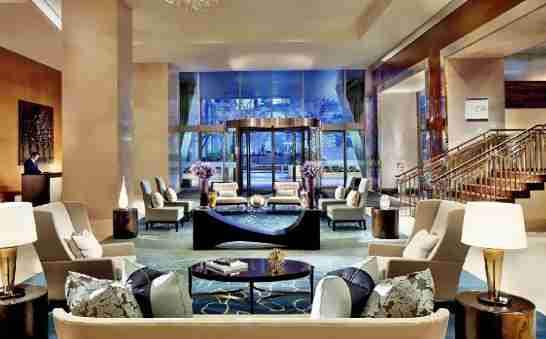
Luxury here feels engineered by unseen architects of human satisfaction.
The Ritz-Carlton transforms hospitality into a quiet psychological mastery experience.
Guests rarely notice effort, only the results of flawless execution.
Service operates like intuition, predicting needs before conscious recognition occurs.
This anticipatory approach separates ordinary hotels from legendary destinations worldwide.
Every request feels unnecessary because solutions arrive preemptively and seamlessly.

Rooms become extensions of personal identity, not generic sleeping environments.
Customization happens subtly through remembered preferences and behavioral patterns recorded.
Guests feel understood without needing to explain themselves repeatedly anywhere.
Architecture balances grandeur with intimacy, avoiding overwhelming visual dominance entirely.
Spaces feel expansive yet comforting, luxurious yet emotionally accessible always.
This duality defines the brand’s unique experiential philosophy across locations.
Entering feels like stepping into a memory not yet lived.
The Ritz-Carlton curates emotional landscapes rather than physical hotel spaces.
Every corridor carries whispers of refinement shaped through decades carefully.
Lighting plays a crucial role in defining emotional spatial experiences.
Soft glows create warmth, guiding movement without overwhelming sensory perception.
Guests navigate spaces intuitively, guided by subtle environmental storytelling cues.
Culinary offerings act as cultural bridges connecting global influences together.
Chefs craft menus reflecting both location identity and universal excellence standards.
Each meal reinforces the narrative of refined, thoughtful indulgence consistently.
Departure becomes a quiet realization of elevated personal expectations afterward.
Travel feels different once this level of service becomes familiar.
Luxury evolves from concept into lived, unforgettable personal experience permanently.