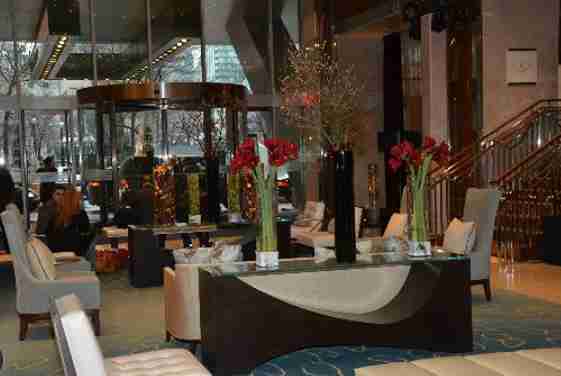
Entering feels like stepping into a memory not yet lived.
The Ritz-Carlton curates emotional landscapes rather than physical hotel spaces.
Every corridor carries whispers of refinement shaped through decades carefully.

Lighting plays a crucial role in defining emotional spatial experiences.
Soft glows create warmth, guiding movement without overwhelming sensory perception.
Guests navigate spaces intuitively, guided by subtle environmental storytelling cues.
Rooms invite stillness, reflection, and quiet personal reconnection moments.
Beds cradle exhaustion, dissolving stress accumulated from demanding travel routines.
Windows frame views like living paintings shifting throughout the day.
There exists a place where comfort meets deep psychological understanding.
The Ritz-Carlton crafts environments aligned with human emotional needs precisely.
Every detail responds to subconscious desires rather than surface expectations.
Guests experience comfort that feels strangely intuitive and deeply personal.
Nothing appears excessive, yet everything exceeds conventional luxury standards effortlessly.
Balance defines the core philosophy shaping every design and service choice.
Rooms feel like private worlds insulated from external unpredictability completely.
Service remains constant yet invisible, present yet never intrusive anywhere.
Staff operate like background harmony supporting a central melodic experience.
Guests feel empowered rather than managed throughout their entire stay.
Dining experiences blur lines between nourishment and artistic performance entirely.
Presentation, flavor, and atmosphere merge into cohesive sensory journeys seamlessly.
Meals become memorable chapters within a broader luxury narrative arc.
Leaving feels like waking from an unusually vivid, comforting dream.
Reality resumes, but something subtle remains permanently altered inside.