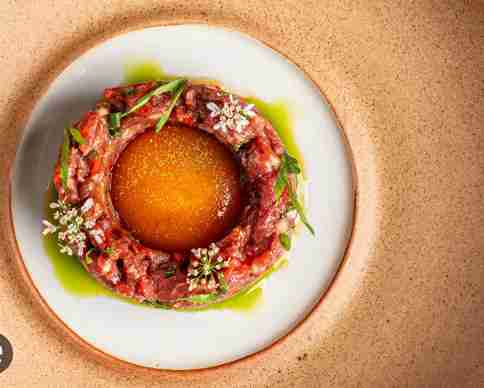
Once you’ve dined at a Ritz-Carlton restaurant, returning to standard fine dining can feel surprisingly underwhelming. The reason is simple: Ritz-Carlton doesn’t just meet expectations—it quietly raises them.
At most fine dining establishments, the focus is heavily placed on food quality and presentation. While these are important, Ritz-Carlton expands the definition of excellence. It integrates environment, service, and emotional engagement into one seamless experience.

Take ambiance, for example. Many Ritz-Carlton restaurants are strategically designed to highlight their surroundings—whether it’s a skyline view, beachfront horizon, or cityscape panorama. Dining becomes immersive, not isolated.
Then there’s the culinary direction. Menus are rarely static. They evolve with seasons, local influences, and chef creativity. This ensures that repeat visits never feel repetitive. It also reflects a commitment to innovation, even within a brand known for tradition.
Service, however, is where Ritz-Carlton truly dominates. Staff are not only trained in hospitality—they are trained in perception. Subtle cues, body language, and guest preferences are constantly observed and interpreted. The result is a dining experience that feels personalized without ever being intrusive.
Of course, this level of excellence comes at a cost. Prices can easily exceed what most people consider reasonable for a single meal. But for those who understand what they’re paying for, the value becomes clearer.
Ritz-Carlton restaurants redefine what dining should feel like. They transform meals into memories—and that’s something ordinary fine dining often fails to achieve.